From Farm to Port: How We Export a Container of Ugandan Coffee
Exporting green coffee from Uganda requires careful coordination at every stage. The following outlines the process for a typical containerised shipment.
1. Sourcing
Dried coffee, known as kiboko for Robusta and parchment for washed Arabica, is purchased from farmers and cooperatives. Moisture content and outturn are assessed before purchase.
2. Processing and Grading
At the mill, coffee is hulled, cleaned and graded using screens and gravity tables. Defective beans are removed by sorting, producing clean green coffee of a single grade.
3. Quality Control
Each lot is tested for moisture content (10–12%), defects and foreign matter, and is then cupped to confirm its flavour profile. Coffee is bagged only after it has been approved.
4. Packaging and Marking
Coffee is packed in 60 kg jute bags, with hermetic liners where requested, or loaded in bulk into a container liner. Each bag is marked with the ICO identification number, grade and lot number.
5. Documentation
The export documentation includes the UCDA quality certificate, phytosanitary certificate, certificate of origin, commercial invoice, packing list and bill of lading.
6. Shipment
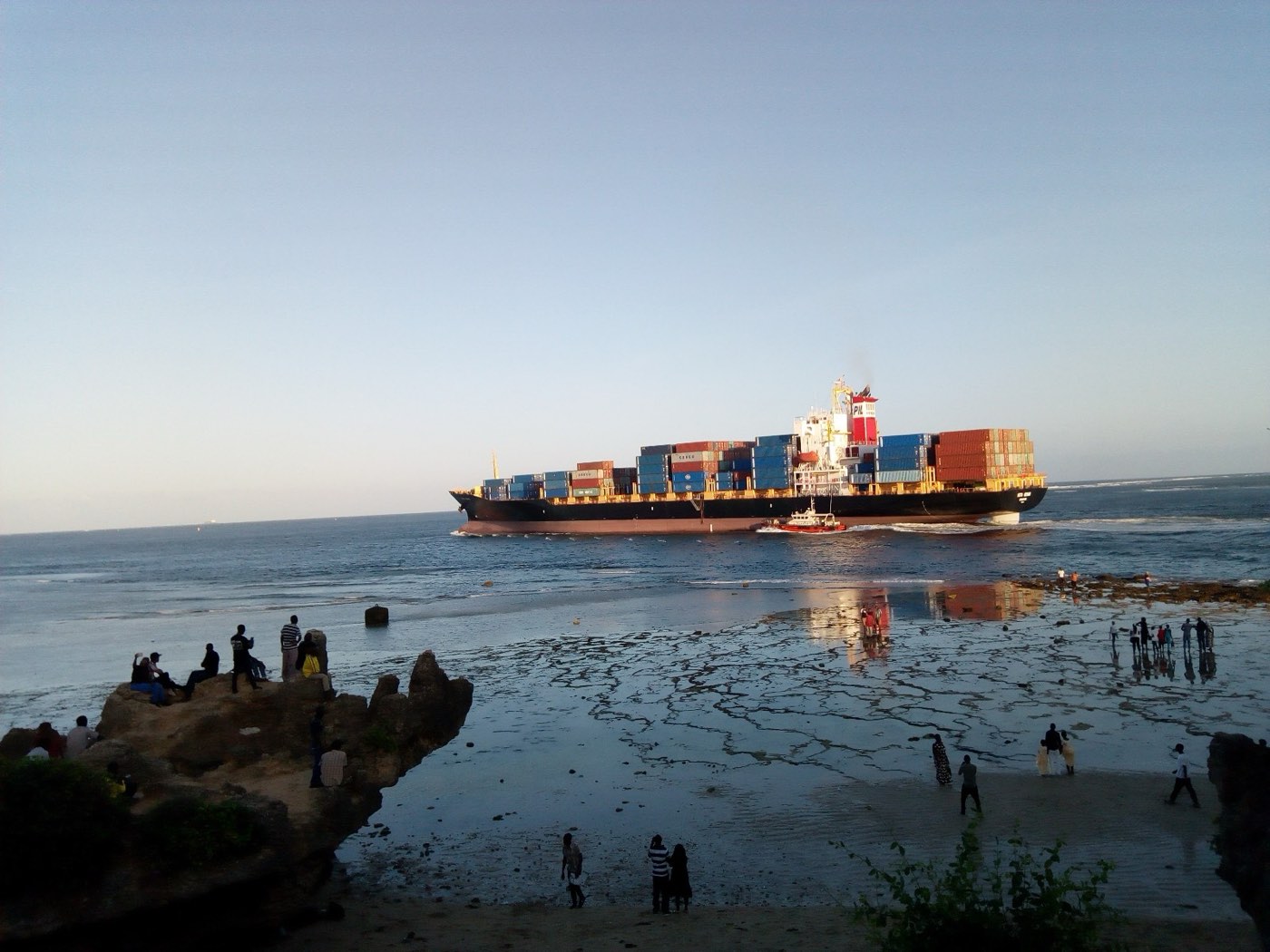
The container is loaded and sealed in Kampala, transported to the Port of Mombasa, cleared through customs and loaded onto the vessel. Buyers are kept informed of shipment status until arrival.
Further details are available on our Export Process page.
Related Articles
 Coffee Grades
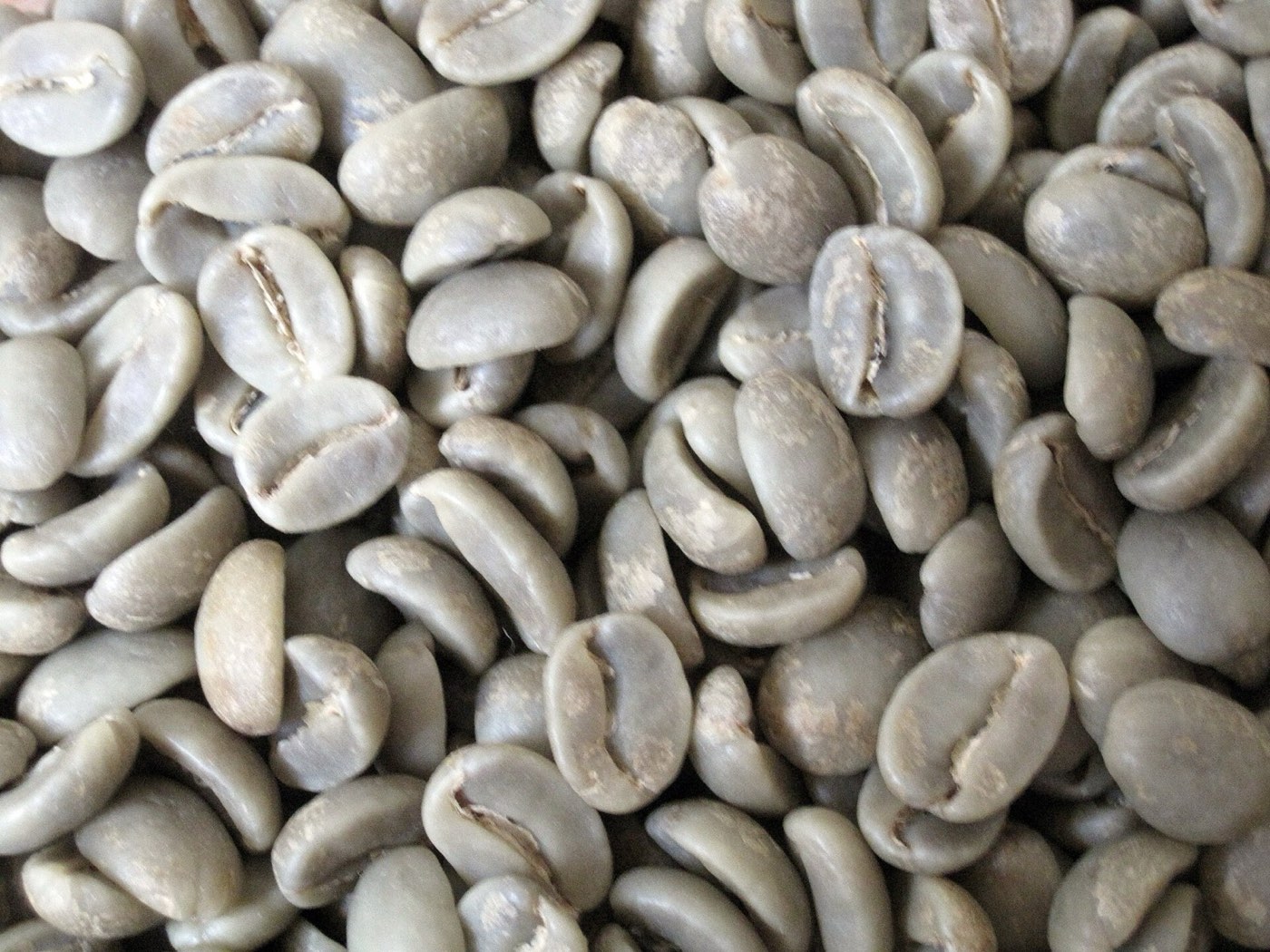
Understanding Uganda Robusta Screen Grades: 18, 15, 12 and BHP
An overview of Uganda's Robusta screen grades, their cup characteristics and their typical commercial uses.
Read More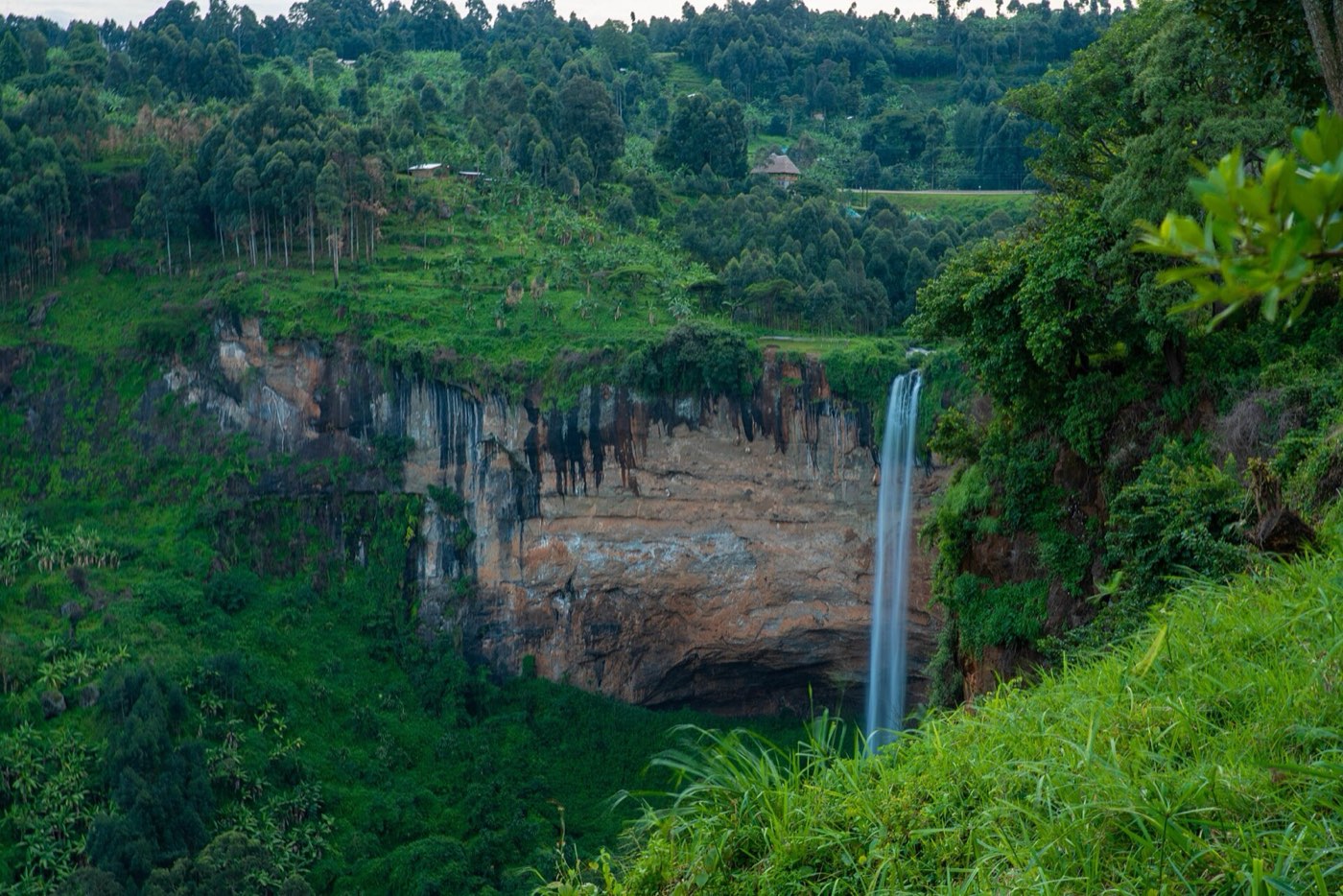 Origins
Bugisu & Rwenzori: A Guide to Uganda's Arabica Regions
An introduction to Uganda's principal Arabica-growing regions, Mt. Elgon and the Rwenzori Mountains, and the coffee they produce.
Read More